Human Papillomavirus Vaccines: Questions and Answers
Why are HPV vaccines needed?
Certain human papillomavirus (HPV) types cause cancer, including: cervical, vulvar, vaginal, penile, anal, and oropharyngeal (base of the tongue, tonsils and back of throat) cancers. Certain HPV types also cause most cases of genital warts in men and women.
HPV is a common virus that is easily spread by skin-to-skin contact during sexual activity with another person. It is possible to have HPV without knowing it, so it is possible to unknowingly spread HPV to another person.
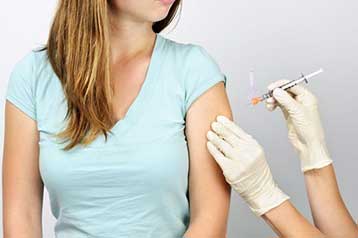
HPV vaccine is a strong weapon in prevention. These safe, effective vaccines are available to protect females and males against some of the most common HPV types and the health problems that the virus can cause.
How common are the health problems caused by HPV?
HPV is the main cause of cervical cancer in women. There are about 12,000 new cervical cancer cases each year in the United States. Cervical cancer causes about 4,000 deaths in women each year in the United States. There are about 15000 HPV-associated cancers in the United States that may be prevented by vaccines each year in women, including cervical, anal, vaginal, vulvar and oropharyngeal cancers.
About 7,000 HPV-associated cancers in the United States that may be prevented by vaccine each year in men, and oropharyngeal cancers are the most common.
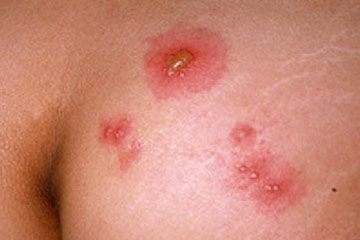
About 1 in 100 sexually active adults in the United States have genital warts at any given time.
What HPV vaccines are available in the United States?
Two HPV vaccines are licensed by the FDA and recommended by CDC. These vaccines are Cervarix (made by GlaxoSmithKline) and Gardasil (made by Merck).
How are the two HPV vaccines similar?
- Both vaccines are very effective against diseases caused by HPV types 16 and 18; HPV 16 and 18 cause most cervical cancers, as well as other HPV associated cancers.
- Both vaccines have been shown to prevent cervical precancers in women.
- Both vaccines are very safe.
- Both vaccines are made with a very small part (in this case, the protein outer coat) of the human papillomavirus (HPV) that cannot cause infection.
- Both vaccines are given as shots and require 3 doses.
How are the two HPV vaccines different?
- Only one of the vaccines (Gardasil) protects against HPV types 6 and 11, the types that cause most genital warts in females and males.
- Only one of the vaccines (Gardasil) has been tested and licensed for use in males.
- While both vaccines protect against HPV16, which is the most common HPV type responsible for HPV associated cancers including cancers of cervix, vulva, vagina, penis, and anus and oropharynx, only one of the vaccines (Gardasil) has been tested and shown to protect against precancers of the vulva, vagina, and anus.
- The vaccines have different adjuvants—a substance that is added to the vaccine to increase the body's immune response.
Who should get HPV vaccine?
Cervarix and Gardasil are licensed, safe, and effective for females ages 9 through 26 years. CDC recommends that all 11 or 12 year old girls get the 3 doses (shots) of either brand of HPV vaccine to protect against cervical cancer. Gardasil also protects against most genital warts, as well as some cancers of the vulva, vagina and anus. Girls and young women ages 13 through 26 should get HPV vaccine if they have not received any or all doses when they were younger.
Gardasil is also licensed, safe, and effective for males ages 9 through 26 years. CDC recommends Gardasil for all boys aged 11 or 12 years, and for males aged 13 through 21 years, who did not get any or all of the three recommended doses when they were younger. All men may receive the vaccine through age 26, and should speak with their doctor to find out if getting vaccinated is right for them.
The vaccine is also recommended for gay and bisexual men (or any man who has sex with men) and men with compromised immune systems (including HIV) through age 26, if they did not get fully vaccinated when they were younger.
Why is HPV vaccine recommended at ages 11 or 12 years?
For the HPV vaccine to work best, it is very important for preteens to get all 3 doses (shots) long before any sexual activity with another person begins. It is possible to be infected with HPV the very first time they have sexual contact with another person. Also, the vaccine produces higher antibody that fights infection when given at this age compared to older ages.
How does getting HPV vaccine at ages 11 or 12 fit with other health recommendations?
Doctors recommend health check-ups for preteens and teens. The first dose of an HPV vaccine should be given to girls and boys aged 11 or 12 years during any visit to the doctor. Three other vaccines are recommended for preteens and teens. During one visit, HPV vaccine can be given safely with these other preteen and teen vaccines. Check-ups during the preteen and teen years are also times when older kids and their parents can talk to their providers about other ways to stay healthy and safe.
What is the recommended schedule (or timing) of the 3 HPV doses (shots)?
3 doses (shots) are recommended over six months. CDC recommends that the second dose be given one to two months after the first, and the third dose be given six months after the first dose.
Are the HPV vaccines safe and effective?
FDA has licensed the vaccines as safe and effective. Both vaccines were tested in thousands of people around the world. These studies showed no serious side effects. Common, mild side effects included pain where the shot was given, fever, headache, and nausea. As of July 2012, approximately 46 million doses of quadrivalent HPV vaccine were distributed in the United States. As with all vaccines, CDC and FDA continue to monitor the safety of these vaccines very carefully. These vaccine safety studies continue to show that HPV vaccines are safe.
Do people faint after getting HPV vaccines?
People faint for many reasons. Some preteens and teen may faint after any medical procedure, including receiving vaccines. It is possible for falls and injuries to occur after fainting. Sitting or lying down for about 15 minutes after a vaccination can help prevent fainting and related injuries.
Can HPV vaccines treat HPV infections, cancers, or warts?
HPV vaccines will not treat or get rid of existing HPV infections. Also, HPV vaccines do not treat or cure health problems (like cancer or warts) caused by an HPV infection that occurred before vaccination. It is important for adult women to still get cervical cancer screening even if they have completed the HPV vaccine series. For more information see Cervical Cancer Screening.
How important is it to get HPV vaccine?
The HPV vaccines are important tools to prevent cancer and genital warts.
Why aren’t HPV vaccines recommended for people older than 26?
Both vaccines were studied in thousands of people from 9 through 26 years old and found to be safe and effective for these ages. The vaccine is not licensed in the United States for persons over age 26 years, as GARDASIL has not been demonstrated to prevent HPV-related outcomes in a general population of women and men older than 26 years of age.
Should pregnant women be vaccinated?
Pregnant women are not included in the recommendations for HPV vaccines. Studies show neither vaccine caused problems for babies born to women who got the HPV vaccine while they were pregnant. Getting the HPV vaccine when pregnant is not a reason to consider ending a pregnancy. But, to be on the safe side until even more is known, a pregnant woman should not get any doses of either HPV vaccine until her pregnancy is completed.
What should a woman do if she realizes she received HPV vaccination while pregnant?
If a woman realizes that she got any shots of an HPV vaccine while pregnant, she should do two things:
- Wait until after her pregnancy to finish the remaining HPV vaccine doses.
- Report the vaccination to the appropriate pregnancy registry. There are pregnancy registries to help us learn more about how pregnant women respond to each of the vaccines. So, if a woman realizes that she got any shots of either HPV vaccine while pregnant, she should work with her health care provider to report it to the appropriate pregnancy registry
Source
HPV Vaccine - Questions & Answers
Centers for Disease Control and Prevention

Related Articles
-
Human Papillomavirus
-
Human Papillomavirus Vaccines: Questions and Answers
-
Human Papilloma Virus Signs and Symptoms
-
Human Papillomavirus Screening
-
Human Papillomavirus Treatment
-
Human Papillomavirus Prevention
-
Human Papillomavirus and Men
-
HPV and Men
-
Human Papillomavirus Infection Treatment
-
Human Papillomavirus Vaccine
-
Human Papillomavirus and Genital Warts
-
Human Papillomavirus Associated Cancers
United States, 2004–2008 -
Preventing Cervical Cancer Worldwide (PDF document)
-
FDA Advisory Panel Recommends Human Papillomavirus Vaccine