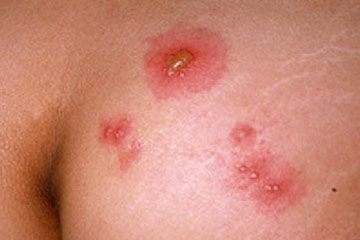
Prevent Bites from Mosquitoes, Ticks,
Fleas and other Insects and Arthropods
To reduce the possibility of being bitten by insects or arthropods that can transmit diseases (vector-borne), such as malaria, dengue, and tickborne encephalitis (TBE), you should―
- Use an insect repellent on exposed skin to repel mosquitoes, ticks, fleas and other arthropods. EPA-registered repellents include products containing DEET (N,N-diethylmetatoluamide) and picaridin (KBR 3023). DEET concentrations of 30% to 50% are effective for several hours. Picaridin, available at 7% and 15 % concentrations, needs more frequent application.
- DEET formulations as high as 50% are recommended for both adults and children over 2 months of age. Protect infants less than 2 months of age by using a carrier draped with mosquito netting with an elastic edge for a tight fit.
- When using sunscreen, apply sunscreen first and then repellent. Repellent should be washed off at the end of the day before going to bed.
- Wear long-sleeved shirts which should be tucked in, long pants, and hats to cover exposed skin. When you visit areas with ticks and fleas, wear boots, not sandals, and tuck pants into socks.
- Inspect your body and clothing for ticks during outdoor activity and at the end of the day. Wear light-colored or white clothing so ticks can be more easily seen. Removing ticks right away can prevent some infections.
- Apply permethrin-containing (e.g., Permanone) or other insect repellents to clothing, shoes, tents, mosquito nets, and other gear for greater protection. Permethrin is not labeled for use directly on skin. Most repellent is generally removed from clothing and gear by a single washing, but permethrin-treated clothing is effective for up to 5 washings.
- Be aware that mosquitoes that transmit malaria are most active during twilight periods (dawn and dusk or in the evening).
- Stay in air-conditioned or well-screened housing, and/ or sleep under an insecticide treated bed net. Bed nets should be tucked under mattresses and can be sprayed with a repellent if not already treated with an insecticide.
- Daytime biters include mosquitoes that transmit dengue and chikungunya viruses and sand flies that transmit leishmaniasis.
Anuncios
Source
centers for Disease Control and Prevention
National center for Infectious Diseases, Division of Global Migration and Quarantine
http://www.cdc.gov/