Tuberculosis Information for International Travelers
Updated: April 2007
What is tuberculosis (TB)?
Tuberculosis (TB) is a disease caused by germs that are spread from person to person through the air. TB usually affects the lungs, but it can also affect other parts of the body, such as the brain, the kidneys, or the spine. In most cases, TB is treatable and curable; however, persons with TB can die if they do not get proper treatment.
What is multidrug resistant tuberculosis (MDR TB)?
Multidrug-resistant TB (MDR TB) is TB that is resistant to at least two of the best anti-TB drugs, isoniazid and rifampin. These drugs are considered first-line drugs and are used to treat all persons with TB disease.
What is extensively drug resistant tuberculosis (XDR TB)?
Extensively drug resistant TB (XDR TB) is a rare type of MDR TB. XDR TB is defined as TB which is resistant to isoniazid and rifampin, plus resistant to any fluoroquinolone and at least one of three injectable second-line drugs (i.e., amikacin, kanamycin, or capreomycin).
Because XDR TB is resistant to first-line and second-line drugs, patients are left with treatment options that are much less effective.
XDR TB is of special concern for persons with HIV infection or other conditions that can weaken the immune system. These persons are more likely to develop TB disease once they are infected, and also have a higher risk of death once they develop TB.
How does drug resistance happen?
Resistance to anti-TB drugs can occur when these drugs are misused or mismanaged. Examples include when patients do not complete their full course of treatment; when health-care providers prescribe the wrong treatment, the wrong dose, or length of time for taking the drugs; when the supply of drugs is not always available; or when the drugs are of poor quality.
How is TB spread?
TB germs are put into the air when a person with TB disease of the lungs or throat coughs, sneezes, speaks, or sings. These germs can float in the air for several hours, depending on the environment. Persons who breathe in the air containing these TB germs may become infected.
TB is not spread by
- shaking someone’s hand
- sharing food or drink
- touching bed linens or toilet seats
- sharing toothbrushes
- kissing
- smoking or sharing cigarettes
Are international travelers at risk for getting MDR or XDR TB while traveling?
Although MDR and XDR TB are occurring globally, they are still rare. HIV-infected travelers are at greatest risk if they come in contact with a person with MDR or XDR TB.
All travelers should avoid high risk settings where there are no infection control measures in place. Documented places where transmission has occurred include crowded hospitals, prisons, homeless shelters, and other settings where susceptible persons come in contact with persons with TB disease.
Air travel itself carries a relatively low risk of infection with TB of any kind.
How can TB be prevented?
Travelers should avoid close contact or prolonged time with known TB patients in crowded, enclosed environments (for example, clinics, hospitals, prisons, or homeless shelters).
Travelers who will be working in clinics, hospitals, or other health care settings where TB patients are likely to be encountered should consult infection control or occupational health experts. They should ask about administrative and environmental procedures for preventing exposure to TB. Once those procedures are implemented, additional measures could include using personal respiratory protective devices.
Is there a vaccine to prevent TB?
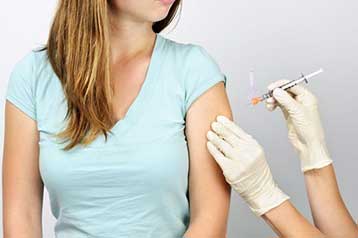
Yes, there is a vaccine for TB disease called Bacille Calmette-Guérin (BCG). It is used in some countries to prevent severe forms of TB in children. However, BCG is not generally recommended in the United States because it has limited effectiveness for preventing TB overall.
What should I do before traveling internationally?
Travelers who anticipate possible prolonged exposure to persons with TB (for example, those who expect to come in contact routinely with clinic, hospital, prison, or homeless shelter populations) should have a tuberculin skin test (TST) before leaving the United States. If the test reaction is negative, they should have a repeat test 8 to10 weeks after returning to the United States. Additionally, annual testing may be recommended for those who anticipate repeated or prolonged exposure or an extended stay over a period of years. Because persons with HIV infection are more likely to have an impaired response to the TST, travelers who are HIV positive should tell their physicians about their HIV infection status.
What should I do if I think I have been exposed to someone with TB disease?
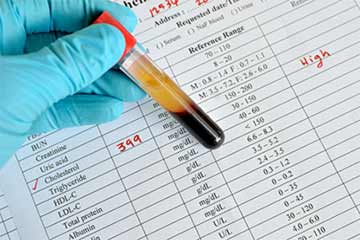
If you think you have been exposed to someone with TB disease, you should contact your doctor or local health department about getting a TB skin test or the QuantiFERON®-TB Gold test (QFT-G), a blood test. And tell the doctor or nurse when you spent time with this person.
What are the symptoms of TB disease?
The general symptoms of TB disease include feelings of sickness or weakness, weight loss, fever, and night sweats. The symptoms of TB disease of the lungs also include coughing, chest pain, and the coughing up of blood. Symptoms of TB disease in other parts of the body depend on the area affected. If you have these symptoms, you should contact your doctor or local health department.
Where can I find other health information about my travel destination?
CDC’s Travelers’ Health website lists health information for travelers by destination.
CDC issues travel notices when there is a health threat to travelers. These notices describe levels of risk for the traveler and recommended preventive measures to take at each level of risk. Travel notices are organized by disease and by travel destination.
Source
centers for Disease Control and Prevention
http://www.cdc.gov/